Adminn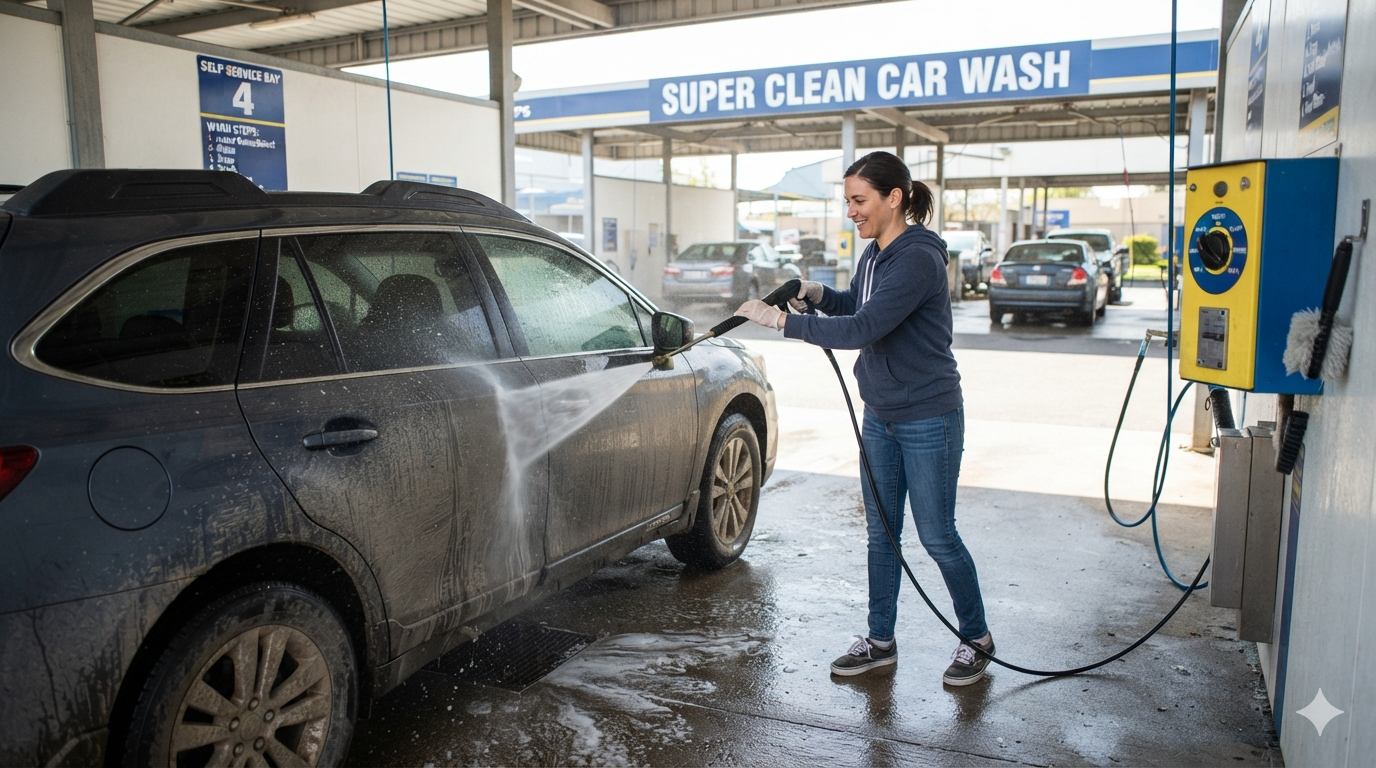
A self serve car wash gives drivers an easy way to clean their vehicles without paying for a full-service wash. You drive into an open wash bay, choose the cleaning option, and wash the car yourself. Most locations provide a pressure washer, soap, rinse water, and other useful tools. This setup can save time and money while giving you more control over the cleaning process. It is also useful when your car needs a quick wash after rain, dust, mud, or a long road trip. Unlike automatic car washes, you decide which areas need more attention. You can also control the amount of water and cleaning time. For many drivers, this makes the experience simple and practical. Before visiting one, however, it helps to understand the equipment, costs, washing steps, safety tips, and common mistakes.
What Is a Self Serve Car Wash?
A self serve car wash is a cleaning facility where customers wash their own vehicles. The facility normally provides a dedicated washing bay with equipment for basic car cleaning. You usually pay through a coin machine, card reader, or another payment system. After payment, you select a cleaning setting and use the provided spray wand. Common settings include pre-soak, high-pressure soap, rinse, wax, and spot-free rinse. Some locations also provide vacuum stations for cleaning the inside of the vehicle. The main difference from an automatic wash is control. You decide where to spray and how long to clean each area. This can be helpful when certain parts of your vehicle are especially dirty. For example, you may spend more time cleaning wheels, lower doors, and mudguards. A self-service facility can therefore offer a more focused cleaning experience.
How Does a Self Serve Car Wash Work?
Using a self serve car wash is usually straightforward. First, park your vehicle inside the marked washing bay. Keep your windows closed and make sure the doors are fully shut. Next, check the available payment options and select the washing program you need. Most systems charge based on time, so planning helps prevent unnecessary spending. Start with a pre-rinse to remove loose dirt and dust. Then apply the recommended soap using the pressure wand. Work around the vehicle carefully rather than staying in one place for too long. After cleaning, switch to the rinse setting and remove all visible soap. Some facilities offer a wax setting that can add extra protection and shine. A final spot-free rinse can help reduce water marks. When finished, move the vehicle to the drying or vacuum area if available. Always follow the facility’s posted instructions.
Self Serve Car Wash vs. Automatic Car Wash
Choosing between a self serve car wash and an automatic wash depends on your needs. An automatic wash is convenient because machines handle most of the cleaning process. You simply drive into the system and follow its instructions. A self-service wash gives you more control over the process. You can focus on dirty areas that automatic equipment may not clean well. This can include wheels, tires, bumpers, and lower body panels. Self-service facilities may also be useful for larger vehicles that need careful attention. However, washing your own car requires more effort and time. Automatic washes are often better when you want maximum convenience. A self-service option may be better when you want targeted cleaning. Both options have advantages. Your choice can depend on your budget, available time, vehicle condition, and personal preference.
What Equipment Is Available?
Most facilities provide several tools designed for basic exterior cleaning. The main equipment is usually a high-pressure spray wand. This tool delivers water or cleaning solution at controlled pressure. Different buttons or settings allow you to change the cleaning stage. Common options include presoak, soap, rinse, wax, and spot-free water. Some locations also provide brushes, although you should inspect them before use. A dirty brush can contain grit that may scratch painted surfaces. Many facilities also have powerful vacuum cleaners for interior cleaning. You may find air compressors for removing dust from small areas. Some modern locations accept cards instead of coins. Equipment can vary between facilities, so check the instructions before starting. Knowing what each tool does helps you work faster. It also reduces the chance of wasting money while learning the controls.
How Much Does a Self Serve Car Wash Cost?
The price of a self serve car wash varies by location, equipment, and washing time. Many facilities charge customers by the minute rather than offering one fixed price. This means your final cost depends on how efficiently you work. A short wash can be inexpensive when your vehicle only has light dust. A heavily soiled vehicle may require more time and several cleaning stages. Some locations also charge separately for vacuum use. Before starting, check the posted prices and payment instructions. Having a simple washing plan can help you avoid spending extra money. Start with removing loose dirt before applying soap. Use the pressure wand efficiently and avoid repeatedly cleaning already-rinsed areas. If the facility offers a timer, watch it carefully. Planning each stage can make the wash both affordable and effective. Prices can differ greatly between cities and countries, so checking your local facility remains the best approach.
Step-by-Step Guide to Washing Your Car
A good self serve car wash routine starts with preparation. Remove personal items from the exterior and close every window. Park centrally inside the washing bay. Begin with a pressure rinse to loosen dirt, sand, and road grime. Avoid holding the spray wand extremely close to painted surfaces. Next, apply the cleaning solution evenly across the vehicle. Pay extra attention to lower panels, wheels, and areas behind the tires. If a brush is provided, inspect it carefully before touching the paint. After washing, rinse the entire vehicle from top to bottom. Make sure no soap remains around mirrors, handles, windows, or body gaps. You can then use wax if you want additional shine and protection. Finish with a spot-free rinse when available. Move to a safe area and dry the vehicle with a clean microfiber towel. This method keeps the process organized and helps prevent common cleaning mistakes.
Best Way to Clean Wheels and Tires
Wheels and tires often collect brake dust, mud, oil, and road dirt. They may need more attention than other vehicle areas. Start by rinsing the wheels thoroughly with pressure water. This removes loose dirt before deeper cleaning begins. Use an approved wheel cleaner when the facility provides one. Avoid using a brush that looks dirty or contains trapped sand. Begin with the tire sidewall and then work around the wheel surface. Never let strong cleaning chemicals dry on the wheel. Rinse everything thoroughly after cleaning. Brake dust can be stubborn, so several gentle cleaning passes may work better than aggressive spraying. You should also avoid directing extremely strong water pressure toward damaged seals or sensitive components. Clean wheels can make an average vehicle look much better. Regular wheel cleaning can also help prevent heavy buildup. Always check whether your wheel finish requires special cleaning products.
Tips for Protecting Your Car’s Paint
Paint protection should remain a priority during any vehicle wash. Loose dirt can contain small particles that may scratch the surface. This is why a pressure rinse should come before physical brushing. Never rub a dry, dirty vehicle aggressively. If you use a wash brush, make sure it is clean and free from trapped debris. Keep the spray wand at a reasonable distance from the paint. Extremely close pressure can damage weak paint, decals, or damaged trim. Wax settings may provide a temporary protective layer and improve shine. However, they should not replace proper paint protection products. After washing, use a clean microfiber towel if hand drying is allowed. Avoid using old towels that contain dirt or rough particles. Regular gentle cleaning can help your vehicle maintain a cleaner appearance. Careful washing is especially important for vehicles with older paint or previous body repairs.
Common Mistakes to Avoid
Many drivers make simple mistakes when using a self serve car wash. One common mistake is starting with soap before removing loose dirt. Sand and grit can remain on the surface and create scratches. Another mistake is holding the pressure wand too close to the vehicle. Strong pressure can harm damaged paint, trim, or seals. Using a dirty shared brush is another potential problem. Always inspect the brush before using it. Drivers can also waste money by spending too long on one area. Follow a clear washing sequence from start to finish. Do not let soap dry on the vehicle, especially in hot weather. Forgetting to rinse hidden areas is another common issue. Check around mirrors, door handles, wheel arches, and lower panels. Finally, avoid rushing the final rinse. Removing leftover soap is important for a clean finish.
Is a Self Service Wash Better for Your Car?
A self serve car wash can be a good option when you want control over the cleaning process. It allows you to focus on areas that need extra attention. This can be especially useful after muddy roads or long journeys. You can also choose how much time to spend on each section. However, the quality of the result depends on your technique. Poor equipment use can cause scratches or damage. A careful washing method usually produces better results than rushing. Self-service washing can also be convenient for drivers who do not have space to wash at home. It avoids the need to buy and store large cleaning equipment. For people who enjoy caring for their vehicles, the process can also feel satisfying. The best choice depends on your vehicle, budget, location, and cleaning needs.
How to Save Money at a Self Serve Car Wash
You can reduce costs by preparing before entering the washing bay. First, remove unnecessary items from the vehicle so you can work without delays. Decide which cleaning stages you actually need. A lightly dusty vehicle may not need every available setting. Start with a pressure rinse and focus on the dirtiest areas. Keep the spray wand moving instead of wasting time in one location. Watch the timer carefully if the facility charges by the minute. You can also prepare microfiber towels and interior supplies before arriving. This prevents delays after the exterior wash. Avoid restarting programs unless necessary. If you visit regularly, compare nearby facilities and their prices. Some locations offer better equipment or longer wash time for similar costs. A simple routine can make each visit faster and more affordable.
Self Serve Car Wash Safety Tips
Safety is important whenever you use high-pressure cleaning equipment. Never point the spray wand toward another person or vehicle. Keep children away from the active washing area. Follow all signs and instructions displayed by the facility. Do not use damaged hoses, electrical equipment, or broken cleaning tools. If something looks unsafe, inform the facility staff. Be careful when walking because wet floors can become slippery. Keep your vehicle properly positioned inside the marked bay. Avoid spraying sensitive areas unnecessarily. High-pressure water can damage loose trim, cracked lights, or damaged seals. You should also keep the engine area protected unless the facility specifically allows engine cleaning. Use the equipment only for its intended purpose. Safe habits protect both your vehicle and the people around you. A few extra seconds of caution can prevent expensive problems.
Interior Cleaning After an Exterior Wash
After finishing the exterior, you can clean the inside of your vehicle. Many facilities provide vacuum stations for seats, carpets, and floor mats. Start by removing trash and larger objects from the cabin. Take out the floor mats when possible and vacuum underneath them. Use the vacuum carefully around seats and tight spaces. Avoid pulling the hose aggressively against delicate trim. A small detailing brush can help remove dust from vents and dashboard gaps. Use a suitable interior cleaner for plastic surfaces. Do not spray liquid directly onto electronic controls or screens. Instead, apply a small amount to a microfiber cloth. Clean windows with an appropriate glass cleaner for a clearer view. A clean interior makes the entire vehicle feel fresher. Combining exterior washing with basic interior cleaning can make your vehicle look much better without requiring a professional detailing appointment.
How Often Should You Wash Your Car?
The ideal washing schedule depends on your environment and driving habits. Vehicles driven through dust, mud, or heavy traffic may need more frequent cleaning. Rain can also leave dirt and mineral deposits on the paint. If your car is usually parked indoors, it may stay clean for longer. A simple visual check can help you decide when washing is needed. If you notice a layer of dust or road grime, it may be time for a wash. Regular cleaning can prevent dirt from building up over long periods. However, washing too aggressively can also harm the finish. Focus on gentle techniques and good-quality cleaning equipment. Drivers who travel often may benefit from a weekly or biweekly routine. Others may only need to wash when the vehicle becomes visibly dirty. The goal is consistent care rather than unnecessary washing.
Complete Self Serve Car Wash Detailing Table
| Cleaning Stage | Recommended Action | Main Purpose | Helpful Tip |
|---|---|---|---|
| Preparation | Close windows and check equipment | Prevent problems | Read facility instructions |
| Pre-Rinse | Remove loose dirt | Reduce scratching risk | Start from the top |
| Soap | Apply cleaning solution | Break down grime | Cover dirty areas evenly |
| Wheels | Rinse and clean wheels | Remove brake dust | Use a clean brush |
| Body Rinse | Remove soap | Clean painted surfaces | Rinse from top to bottom |
| Wax | Apply available wax | Improve shine | Follow machine instructions |
| Spot-Free Rinse | Final water rinse | Reduce water marks | Cover the entire vehicle |
| Drying | Use a clean microfiber towel | Prevent spots | Avoid dirty towels |
| Vacuum | Clean seats and carpets | Refresh interior | Remove mats first |
| Final Check | Inspect the vehicle | Catch missed areas | Check mirrors and lower panels |
Frequently Asked Questions
1. What is the main benefit of a self serve car wash?
The biggest benefit is control. You decide which parts of the vehicle need extra attention. This can make cleaning more effective for heavily dirty areas.
2. Can I wash my car properly at a self-service facility?
Yes. With the right technique, you can achieve a very good exterior clean. Start with a pressure rinse and use cleaning tools carefully.
3. Should I use the brush at a self-service wash?
You can, but inspect it first. A brush containing dirt or grit can potentially scratch your vehicle’s paint.
4. How long does a self-service car wash take?
The time depends on your vehicle and its condition. A basic wash may be completed quickly, while a heavily dirty vehicle needs more time.
5. Is pressure washing safe for car paint?
It can be safe when used correctly. Keep a reasonable distance and avoid concentrating strong pressure on damaged paint or sensitive parts.
6. Can I vacuum my car at the same facility?
Many facilities provide vacuum stations. Availability varies, so check the equipment offered at your local location.
Conclusion
A self serve car wash can be a simple, affordable, and practical way to maintain your vehicle. It gives you control over the cleaning process and lets you focus on areas that need extra care. The key is using the equipment correctly and following a clear washing order. Start with a pressure rinse, apply soap, clean carefully, and finish with a thorough rinse. Pay special attention to wheels, lower panels, mirrors, and other dirty areas. Avoid dirty brushes, excessive pressure, and rushed cleaning. You can also use available vacuum equipment to refresh the interior. With a little practice, the process becomes faster and easier. Before your next visit, check the facility’s equipment, prices, and instructions. A careful approach can leave your vehicle looking cleaner while helping protect its finish.